
The road to a great medical practice isn’t a straight line. It’s full of detours, road work, signs, pot holes, cautionary tales, and elevation changes. Here’s the destination most traditional plan reimbursed physicians and their administrative teams never seem to arrive at…
By Michael Tetreault, Editor-In-Chief, Concierge Medicine Today
The road to a great medical practice isn’t a straight line. It’s full of detours, road work, and elevation changes. Here’s the map most physicians never receive with their medical education.
1. Most Practices Are Lost — They Just Haven’t Checked the Map Yet
 Most practices treat culture like a nice-to-have. The data says otherwise. Patients who see engaged providers rate their physician an average of 11 percentile ranks higher than those whose providers are disengaged — a gap that shows up in retention, referrals, and reputation. The road to a thriving concierge practice starts where most physicians never look: at how the team shows up before the doctor walks in the room.
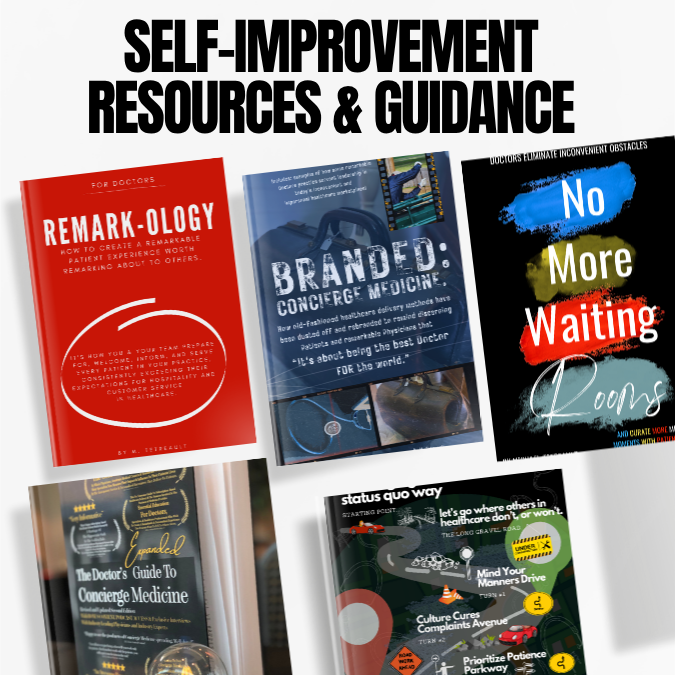
The map above gets it right. Mind your manners. Cure complaints with culture. These aren’t soft skills. They’re operational strategy.
2. Patience and Gratitude Are Clinical Competencies, Not Personality Traits
Research into gratitude in healthcare settings has found it plays a meaningful role in enhancing job satisfaction, reducing absences, improving retention, and boosting teamwork among clinical staff. That’s not a wellness seminar talking point — that’s the infrastructure of a practice that lasts.
Only one-third of physicians feel appreciated for their work, according to an AAFP/CompHealth survey — which means the gratitude gap isn’t just patient-facing. It runs through the whole practice. Prioritize patience. Practice gratitude, not attitude. Put it on repeat. These aren’t inspirational phrases — they’re turns on the map that most practices miss entirely.
3. Respond-ability Is Where the Road Ends — and the Reputation Begins
Every patient interaction is an accountability moment. How your practice responds to complaints, confusion, and conflict determines whether a patient stays, leaves, or tells ten people either way. Satisfaction, trust, and commitment are the key antecedents of patient loyalty — and a stronger physician-patient relationship not only generates patient loyalty but makes patients more likely to introduce the physician to others.
The destination on this map isn’t a building. It’s a Happier Doctor Drive and a Happier Patient Place — and they’re the same road. The practices that get there are the ones that treat respond-ability not as damage control, but as a leadership superpower built into every turn.
4. You Can’t Outsource the Journey
The six turns in this graphic aren’t a checklist to hand off to your office manager. They’re a leadership philosophy. The physician who builds a practice around manners, culture, patience, gratitude, accountability, and repetition isn’t just running a better business — they’re demonstrating what healthcare can look like when relationships come first.
That’s the CMT mission. That’s the road worth taking.
Concierge Medicine Today is an independent editorial publication. This content is educational and informational in nature and does not constitute medical, legal, financial, or accounting advice. #FORDoctors
Discover more from Concierge Medicine Today
Subscribe to get the latest posts sent to your email.
Categories: National Headlines